Focus at work: ADHD Support Via Equine Discovering
An early morning at the arena
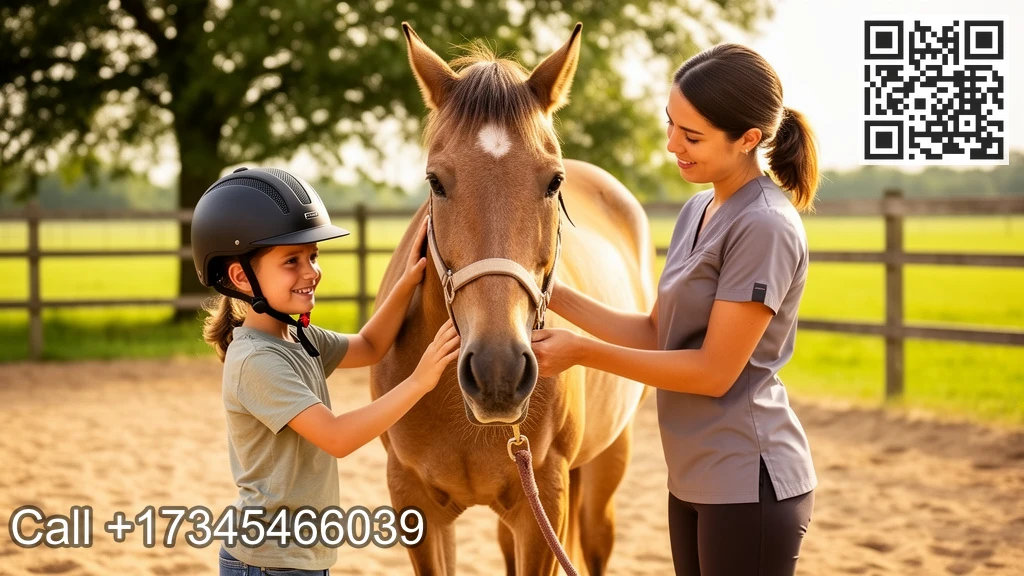
On a breezy Saturday, I saw an eight-year-old called Max walk a shaggy bay pony named Cricket with a labyrinth of cones. Max had actually shown up buzzing, words racing, sneakers touching. Cricket took a breath like a metronome. After 10 mins of grooming, the tapping reduced. Max and Cricket set off, one step, then another, circling around a blue cone, stopping at a red one. Max counted the horse's tramps, after that his very own. By the end, he stood a little taller. His mama mouthed thanks. We hadn't "fixed" anything. We had actually exercised attention with a living companion that supplied instant, straightforward feedback.
That is a typical picture of ADHD equine finding out support. It is not magic and it is not a cure. It is useful, interesting, and very physical. Steeds give young people and grownups a means to practice the abilities ADHD makes hard, in a place that seems like recess yet works like a lab.
Why horses aid with attention and regulation
Horses read the globe via sensation. They notice the smallest shift in stance, breath, or muscular tissue tone, and they respond to it. For someone with ADHD, that high degree of attunement invites focus back right into the body. You do not have to sit still to take note, you can relocate, feel the lead rope, watch an ear flick, pick up the guide of a ribcage. The comments is continuous and concrete. Ask an equine to stop with too much pull and the steed lifts a head and dental braces. Soften your hands and breathe out, and the equine supplies a soft quit. You really feel the difference right away.
Three mechanisms turn up over and over in practice. Initially, uniqueness and challenge. Steeds are fascinating. They alter every session, and they need you to adjust. That uniqueness lights up interaction without a display. Second, personified timing. Matching your steps to a walk rhythm, or counting three breaths while you stroke a neck, builds the internal clock ADHD frequently shuffles. Third, natural consequences. If you hurry a task, a curry comb clatters, the horse moves away, the plan crumbles. If you control your rate, the equine works out and the job goes efficiently. That cause and effect lands.
None of this replaces healthcare or individualized treatment. Equine-assisted solutions include an one-of-a-kind context. For some, that context allows abilities stick.
ADHD with an equine lens
In my barn log, I create three words commonly: relocate, see, determine. Those 3 verbs frame exactly how we design equine-assisted activities for focus differences.
Move. ADHD brains usually focus better with kinesthetic input. Leading a steed, hefting a saddle pad, stabilizing on a placing block, those activities feed the vestibular and proprioceptive systems. Motion clears up lots of nerves that obtain overwhelmed in desks and fluorescent lights.
Notice. Interest is not only regarding looking at a worksheet. It is the capacity to notice what issues currently. Steeds show discerning focus by necessity. If you enjoy the ears, you catch where focus goes. If you notice the breathing, you adjust your very own. If you overlook the horse and focus on the cone, you miss the signal that the horse wants to stop at eviction. We train what to see and when.
Decide. Executive feature gets exercised in every job. Which halter fits this equine? Do we take the steep hillside or the gravel course? Can we end up a pattern if the wind picks up and a tarp flaps? Deciding in a sluggish, genuine environment where outcomes show up builds judgment and confidence.
When these elements line up with an individual's goals, restorative horsemanship becomes a reputable container for method. The goal could be smoother mornings in the house, much better shifts in course, much less sensitivity in dispute, or just much safer, happier time around animals. We select the equines, the tasks, and the pacing to support that.
What a session looks like
Equine-assisted coaching for ADHD normally runs 45 to 60 mins. Much shorter for kids or busy days, longer for teens and adults when focus holds. I map sessions in arcs: arrival, law, ability, stretch, representation. The steed's needs rest inside that arc.
Arrival provides space for big energy to appear. I do not demand quiet. We walk the barn, greet to the herd, and examine a whiteboard for the plan. If a person needs to jump, we bounce. If a person can be found in reduced and drowsy, we start with something tactile.
Regulation frequently starts with brushing. A rubber curry in circles over huge muscle mass groups, a stiffer brush on sloppy patches, a soft brush over the face line if the equine appreciates it. We instructor pressure, rate, and rhythm. Grooming assists the steed and informs me regarding the individual's pacing, strength, and touch. For some, breathing with the steed is the anchor. Place a hand on a ribcage, matter breathe in, count exhale, see your very own breath finding the same length.
Skill can be as easy as leading via a doorway safely or as layered as riding a stroll trot change level while calling out left, right, right at markers. The factor is clear. If the goal is impulse control, the ability may be halt at cones on a matter of 3. If the objective is functioning memory, the ability could be a series of challenges to complete in order without triggers. We maintain needs tight and success frequent.
Stretch is where we evaluate the edges. Add diversions like ground posts with various colors, add a new steed, or add a time component like finish prior to the track finishes. Stretch is where the ADHD experience shows up a lot of. If hyperfocus locks in, I may have to ensure hydration and breaks occur. If distractibility spikes, we shrink the field or change the task.
Reflection is short and honest. What functioned today? What did the horse educate you? What will you try today? We make use of actual words, not treatment jargon. Frequently, the equine leaves the largest impact. I still hear a teenager's voice months later: When I tightened my jaw, she sped up. When I softened, she took a breath. I can do that with my sister.
A first browse through, without the guesswork
- Safety walk through the barn and paddock gateways, consisting of how to check out posted signs and when to request for help.
- Meet the equines from outside a fence line, find out names and a few personality notes, and practice asking a steed for consent to approach.
- Handle a halter and lead rope on a barrel or dummy head, then on a peaceful equine with a coach.
- Groom with a sequence and a clear start and finish, pausing to notice what each device does and just how the horse responds.
- Lead with an easy pattern like a U shape, exercising stops, begins, and transforms utilizing clear body signs instead of pulling.
This checklist provides a scaffold. It additionally reveals where focus holds and where assistance is needed.
One basic workout: the cone square
- Set four cones in a square about 15 feet apart. Start at one corner with your equine on a lead.
- Walk the beyond the square. At each edge, quit and count 3 breaths aloud with the horse standing beside you.
- On the 2nd lap, add a direction modification at each edge, switching over sides as you transform, maintaining hands soft and shoulders tall.
- On the 3rd lap, call out a color you see near the sector at each edge to welcome scanning without shedding the pattern.
- Finish with a final drop in the beginning edge, after that back up 2 steps with each other, breath initially, after that light ask on the lead rope.
This tiny course packs emphasis, functioning memory, restraint, and flexibility into 5 mins. It likewise offers the equine quality and remainder in the edges, which maintains the partnership calm.
From sensory overload to curiosity
Many learners with ADHD ride the side in between sensory seeking and sensory overload. Barns can be both soothing and stimulating. Leather creaks, hay smells pleasant, swallows dive under rafters. A tractor may clank. That mix is a chance if you do not flooding the system.
We plan the sensory diet of each session. Big muscular tissue job early typically helps: push a hay cart with the coach, stack 3 small bundles, lug grooming devices in a pail. Deep pressure from cleaning a large shoulder can feel settling, like a heavy blanket that moves. Somatic healing with steeds is not mystical. It has to do with secure call, slow breath, and co-regulation with another mammal. I have actually seen shoulders drop and jaws unclench after sixty seconds of hand on withers. I have actually additionally seen a child surprise at a sneeze and need a silent tack room for a minute. Both are regular. We pace it.
If an individual has significant noise sensitivity, we schedule during quiet hours and maintain songs off. If responsive defensiveness exists, we offer brushing gloves, softer brushes, and control over how long touch lasts. Different therapy for sensory difficulties does not indicate neglecting pain. It indicates noticing it and choosing inputs with consent.
Groundwork before riding
Not every ADHD student needs to ride to benefit. In numerous programs, foundation carries the entire treatment. Haltering, leading, challenge training courses, liberty work in a pen, and feeding regimens provide all the aspects of experiential knowing with equines without accumulating. For some, that is more secure and more efficient, specifically very early on.
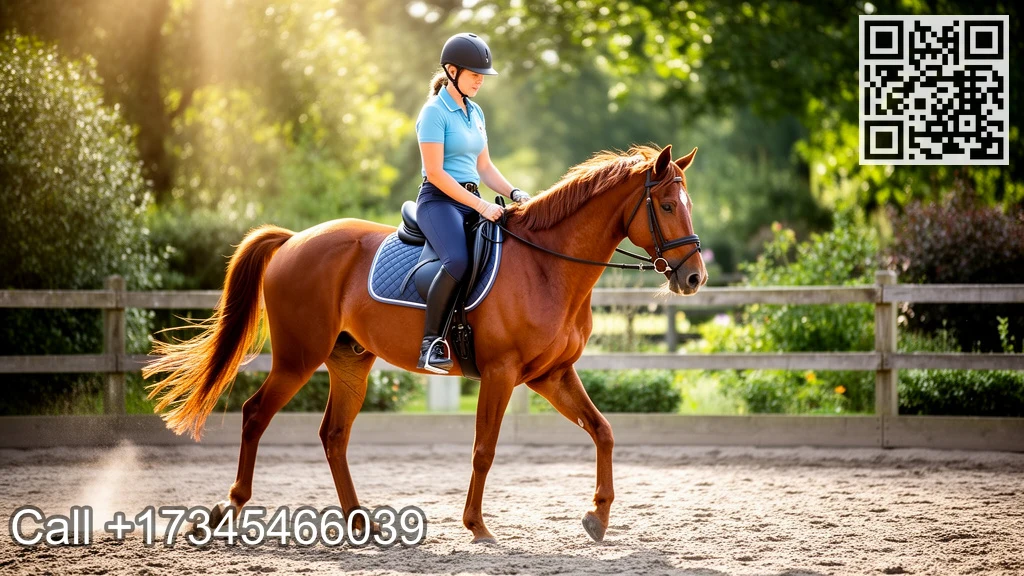
When riding belongs to the plan, restorative horsemanship maintains it structured. Installing occurs with a block and a stable side pedestrian when required. Rein holds get instructed plainly. We use aesthetic pens in the sector to cue modifications. Short trot sets with strolls in between hold attention and safeguard the equine's back. We add games that make good sense, like ring toss at the walk to exercise purpose and persistence instead of disorder that amps arousal.
Teens frequently delight in selection. Two horses to compare, different patterns to try, or a route loophole versus arena time. Grownups may come looking for anxiousness support with equines as a friend to ADHD monitoring. Riding then ends up being a mindfulness practice in motion. Exactly how does your seat influence the walk? Can you really feel a back leg land? Can you request a shift with breath and core before hand? Those mini abilities translate to meetings and family dinners more than you might expect.
How equine-assisted training fits with various other supports
No barn strategy should exist in a vacuum. Equine-assisted services work best when they rest together with various other assistances. Medicine, if made use of, should be stable during the initial weeks so we have a regular standard. Work treatment objectives can educate our sensory selections. Class accommodations can be resembled right here, like visual timetables or checklists.
I ask parents, educators, or adult individuals for a basic target. Examples: smoother transitions from liked to non favored tasks, staying with a job for 10 mins without tips, handling disappointment without yelling, resting far better. The barn becomes a rehearsal area. We construct a bridge in between a field success and a home task. If you could lead Cricket to the red cone and wait on his head to lower before strolling on, you can shut your laptop, breathe out, and stand prior to you answer a text. It is the same muscle.
Group work and social learning
Small teams in an arena can be effective. Team structure with equines provides peers a means to exercise interaction that is immediate and low on pretense. Attempt asking 3 middle schoolers to relocate a horse around a ring without touching it, making use of just body language and voice. Somebody will take charge too quickly, someone will certainly hang back, and someone will certainly make a joke. The horse will certainly reply to one of the most systematic plan, not the loudest one. That reality levels the social field.
Group sessions additionally aid with turn taking, waiting, and collective problem fixing. They can likewise expose triggers. We maintain group dimensions tight, commonly two to 4 participants, and put them attentively. In an autism equine learning program, for example, sensory profiles drive organizing a lot more than age. With the ideal mix, social learning seems like play.
Ethics, safety, and the horses' welfare
Horses are not devices. They are companions with requirements, limits, and choices. Ethical equine-facilitated wellness listens to those limitations. We pick equines with tranquil temperaments and provide varied job, herd time, and remainder. We retire or re-train equines that reveal consistent tension. We say no to sessions that pile too many demands in a day. Informed authorization matters for people and for horses, and approval is an ongoing conversation.
A word on safety. Safety helmets are non flexible for riding and often advised for foundation with newbies. Boots with closed toes and a specified heel help. Rings, headscarfs, and dangling straps get eliminated. Grownups model safety, not with worry, however with simple habits that lower danger. Gains in focus mean little if a person gets tipped on because we reduced corners.
Who advantages, and where to be cautious
I have actually seen benefits across ages. Seven to twelve is a sweet area. Kids have sufficient coordination to handle a lead rope, enough creativity to participate in games, and sufficient plasticity to construct habits quickly. Teenagers may link more to collaboration and challenge. Grownups commonly get here skeptical and leave shocked at how much an equine's mirror teaches.
There are times to stop briefly or readjust. If a participant has a background of substantial aggressiveness towards animals, we go slow and could begin with observation from a range, or we may select not to continue. Severe allergic reactions can be handled with preparation, but in some cases they are a hard quit. If an individual's sensory defensiveness is severe, we may require an interior space initially to construct tolerance before the barn.
Medication adjustments can produce uneven sessions. Better to wait 2 to 3 weeks after a modification before examining development here. Unpredictable family members stress can spill right into the arena. We do not tear, however we do take care of the emotional tone and might reduce or streamline when transmission capacity is low.
Choosing a program and asking excellent questions
Look for qualifications and quality. Specialists might come from https://www.hhooves.com/mountedmovement numerous pathways. Some are licensed in healing horsemanship with added training in psychological wellness. Some are qualified specialists that companion with skilled equine experts. Some offer equine-facilitated mentoring with strong habits and finding out histories. Any of those can function if the group appreciates extent of method and collaborates well.
Ask exactly how steeds are picked for the work and just how their well-being is kept track of. Ask about progress monitoring. It does not have to be a pile of kinds. A basic scale for goal actions incorporated with session notes suffices. Ask how they readjust for sensory demands, anxiousness spikes, or crisis minutes. If you listen to stiff manuscripts without space for the person or the steed, keep looking.
What progress looks like in genuine terms
Progress is hardly ever a straight line. Early sessions typically show fast success, then a plateau, then a much deeper shift. In numbers, I tend to see improvements after 4 to 6 sessions, with more clear, extra durable adjustments by the tenth to twelfth, particularly when home and college strengthen the same routines. For grownups, the timeline can be much shorter if the objectives specify and practice takes place between visits.
Look for indicators like smoother shifts within a session, less verbal triggers required, cleaner stops and starts, and much more exact self monitoring. Outside the barn, parents usually report much faster morning routines, less research battles, or easy things like a child remembering to feed the pet dog without 10 tips. Teens point out fewer disagreements and a simpler time beginning long assignments. Grownups discuss capturing themselves before a responsive email and taking a walk instead.
Setbacks happen. A development spurt, a new school year, a family members adjustment, or a gray winter season can wobble gains. We fulfill that with perseverance and tiny actions, not pressure.
Integrating equine finding out with school and home
Teachers appreciate concrete bridges. A brief video clip of a pupil waiting for a steed to reduce its head prior to leading on can come to be a cue in course. Remember your Cricket breath has actually come to be an expression that travels. Visuals aid, too. A straightforward chart with the cone square made use of it ends up being a planning device for a desk job: edge one, reviewed instructions; edge two, gather products; edge three, do five issues; corner four, check work.
At home, 5 minute horse habits equate. Before a shift, stand for three breaths. Prior to disrupting, placed a hand on your tummy. When bewilder surges, stroll a square in the kitchen gradually, transforming at the corners with a pause. These are not magic either. They are body based regimens that develop the very same wiring we exercise with a horse.
The function of feeling and attachment
Horses are big, and big frequently equates to awe. Wonder can peaceful noise in the mind enough time for finding out to insinuate. Accessory to a particular equine matters. When a youngster says, I do not want to let Maple down, you have a powerful ally for developing determination. We never ever make use of that bond for stress. We use it as an incentive to practice well. Link needs to stay tidy. If a steed relocates to a various field or retires, we discuss it honestly and aid with the goodbye.
For stress and anxiety living close to ADHD, equines offer a stable outside rhythm to match. Many cyclists and trainers report their own heart rate reducing as they stroll with a steed. You do not have to name it. You can feel it. Anxiety assistance with steeds does not indicate direct exposure to fear. It means discovering a connection where anxiety can resolve because hint and action are clear, reasonable, and kind.
What the horses gain
Programs worth their salt design for the steeds too. Differed job, days off, herd life, and the capability to state no. A number of the most effective teachers on 4 legs are not saints, they are honest. They leave when a cue obtains also rough. They sigh if you hurry. They brighten when you damage the ideal place. That sincerity assists human beings find out faster. In return, equines get regular, considerate handling and a neighborhood that sees them as individuals.
Beyond ADHD: broad doors, particular paths
Barns see numerous learners. While this post centers ADHD, the very same setup sustains various other profiles. An autism equine discovering program could weight predictability even more and maintain the environment even simpler. Trauma conscious work may limit touch and change the pacing of strategy. Equine-facilitated training for groups moves the emphasis to interaction and leadership. The usual thread is experiential understanding with steeds, customized to clear objectives, delivered by a team that recognizes its lane.
If you are selecting where to begin, begin with your objective. If executive feature and self law rest at the heart of your requirements, ADHD equine finding out support inside a healing horsemanship framework makes sense. If your objectives are more about career, partnership, or management, group structure with equines and equine-facilitated training may fit better. If your priority is body centered regulation and anxiety alleviation, equine-facilitated wellness with a concentrate on somatic recognition may serve you well.
Getting started
If the idea of a barn class resonates, take one basic action today. Go to a local program, enjoy a session, and discover the tone. You will really feel whether the environment sustains interest or scrambles it. You will see whether horses look interested and soft eyed, or looked into and heavy. Count on what you see.
Make area for the first couple of sessions to be regarding relationship more than results. Real skills show up rapidly when individuals really feel safe, reputable, and engaged. Maintain lines open up amongst the grownups, commemorate little success, and allow the steed teach. Interest expands in action, one breath and one step at a time.
Happy Hooves Wellness
9177 Gross Rd, Dexter, MI 48130
+17345466039
https://www.hhooves.com/